Top 5 Electrical Problems that High Voltage Testers Help Catch in Time
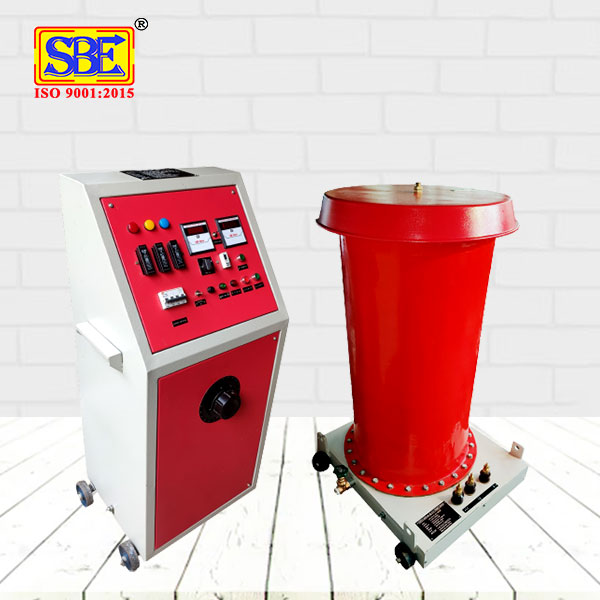
Industries that rely on high-voltage systems must prioritize safety. High-voltage equipment plays a major role in company operations. It's important to maintain these devices often to avoid failure or breakdowns. Detecting electrical defects early can help businesses prevent big issues such as financial losses, downtime, and catastrophic failure. An AC High Voltage Tester is an essential instrument that helps detect problems.
What is an AC High Voltage Tester?
An AC High Voltage Tester measures electrical power. It is quite simple to use and is typically used to detect the presence of AC voltage in or near an object or surface. It can detect voltage in wires, outlets, circuit breakers, lighting fixtures, power cables, and other electrical components.
A substantial portion of high-voltage testers use light or numbers to indicate the voltage level near a topic or surface. Voltage testers operate on the principle of capacitive coupling, which includes sensing the voltage without touching the wire or the testing surface. The major goal of this tester is to prevent the user from receiving an electric shock that was not meant for them.
High-voltage testers check the performance of electrical devices at high voltage. They detect any problems that can lead to a system breakdown. If you want to avoid large issues, use high-voltage testers to identify those issues before any damage.
AC high voltage testers can detect 5 common electrical faults
Insulation Breakdown and Dielectric Weakness:
High voltage testers measure a device or cable's capacity to handle high voltage without causing breakdown or flashover. If the insulation is weak or broken, it will fail under the applied voltage. This causes a breakdown or flashover, which the tester will identify.
Leakage Currents:
AC High voltage testers detect current flow via insulation under high-voltage circumstances. Excessive leakage current may indicate insufficient insulation or the existence of a problem that may pose safety risks and reduce performance.
Short Circuits:
To identify short circuits, AC high voltage testers measure the impedance or resistance of the tested device. A short circuit produces an extremely low resistance value. This suggests a defect between the conductors.
Open Circuits
AC high voltage testers may detect open circuits by measuring the equipment's impedance or resistance, just like short circuits. An open circuit produces an extremely high resistance value, which suggests a break in the circuit.
Other Issues
AC high voltage testers may detect partial discharges within insulation. These minor electrical discharges might degrade insulation over time. They can detect mechanical damage to cables or equipment, including breakage in conductors or damage to the outer sheath.
Conclusion
S.B. ELECTROTECH is a leading AC High Voltage Tester Supplier in India. We provide top-tier testers of various varieties to satisfy a wide range of applications. For more information about testers, please visit our website.


Comments
Post a Comment